
Over the past two and a half years, I’ve been part of the Stockholm CAZyme team, focusing on discovering and engineering the thermostability of enzymes, aiming for practical implementation in the realms of bioenergy and materials research. Through the collaborative endeavors of our entire team, we’ve attained some promising outcomes and published work I am proud of. However, I firmly believe there’s still ample space for refining and expanding our efforts, in order to propel our research into more profound territories.
By conducting extensive screening experiments and thorough analyses of our target proteins, our objective has been to unravel the mechanisms governing enzyme stability at elevated temperatures, and to improve their performance using engineering techniques. Building on this foundation, we’re considering innovative approaches in experimental design, analytical methodologies, and computational models to surmount existing research challenges and forge novel paths for future exploration.
Simultaneously, we actively engage in global academic outreach, fostering in-depth dialogue with peers, showcasing our research achievements at conferences, and actively pursuing avenues for collaboration with fellow research collectives. I have been able to present my CAZyme work by poster at the 14th Carbohydrate Bioengineering Meeting in Norway and by oral presentation at the 8th EPNOE International Polysaccharides Conference in Austria. By facilitating the exchange of resources and technologies, we’re dedicated to cross-disciplinary collaboration, ultimately enhancing the reach and influence of our research endeavors, and it has been very fun to work on collaborative projects that arose during discussions at these meetings.
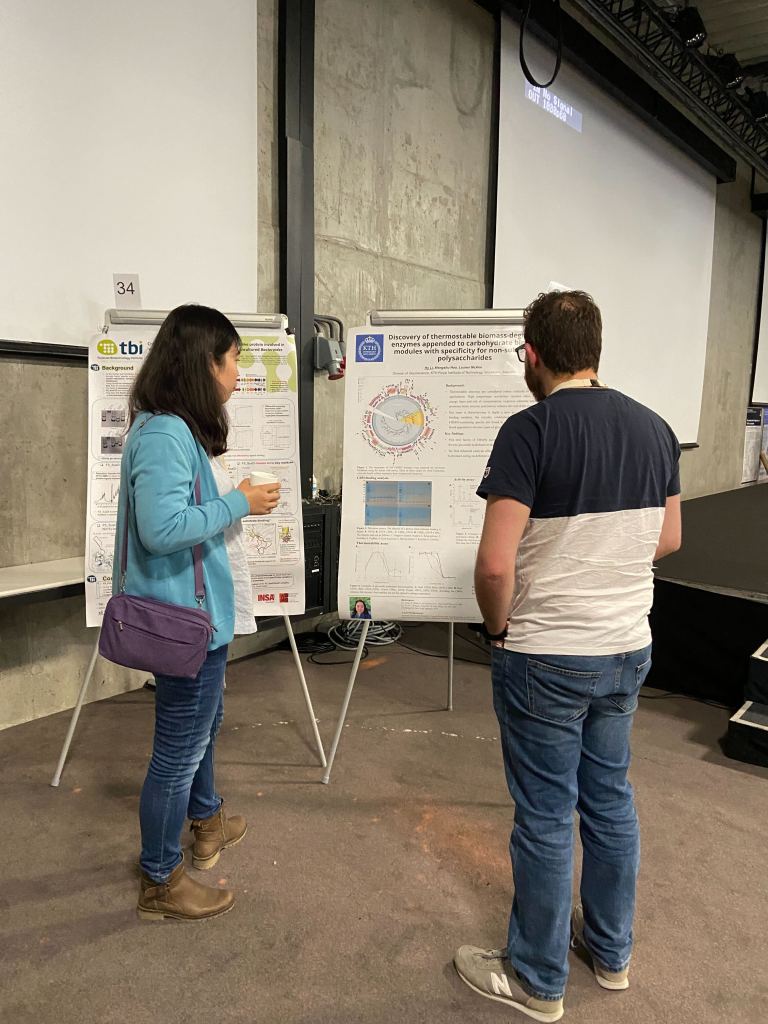
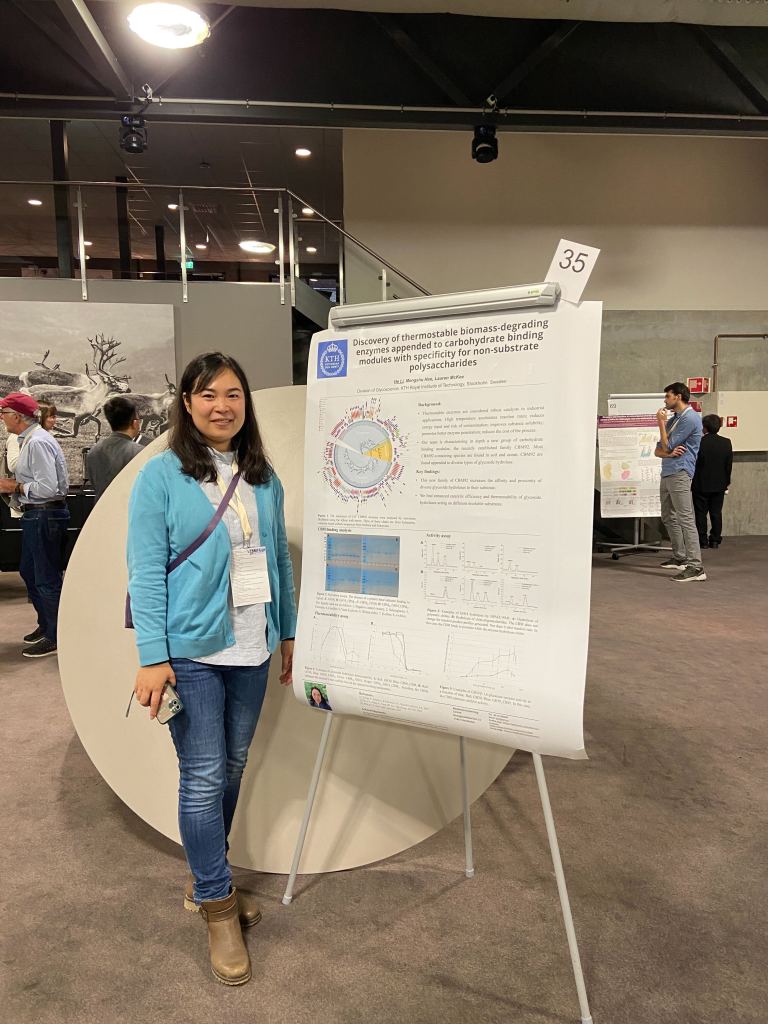
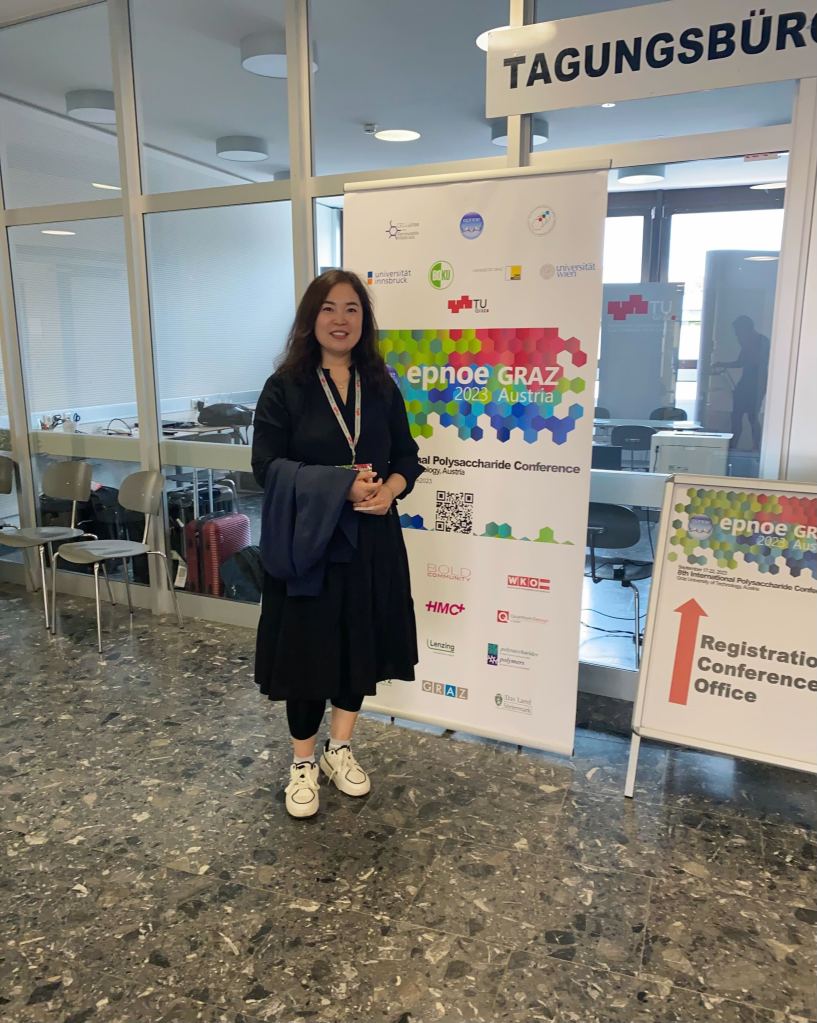
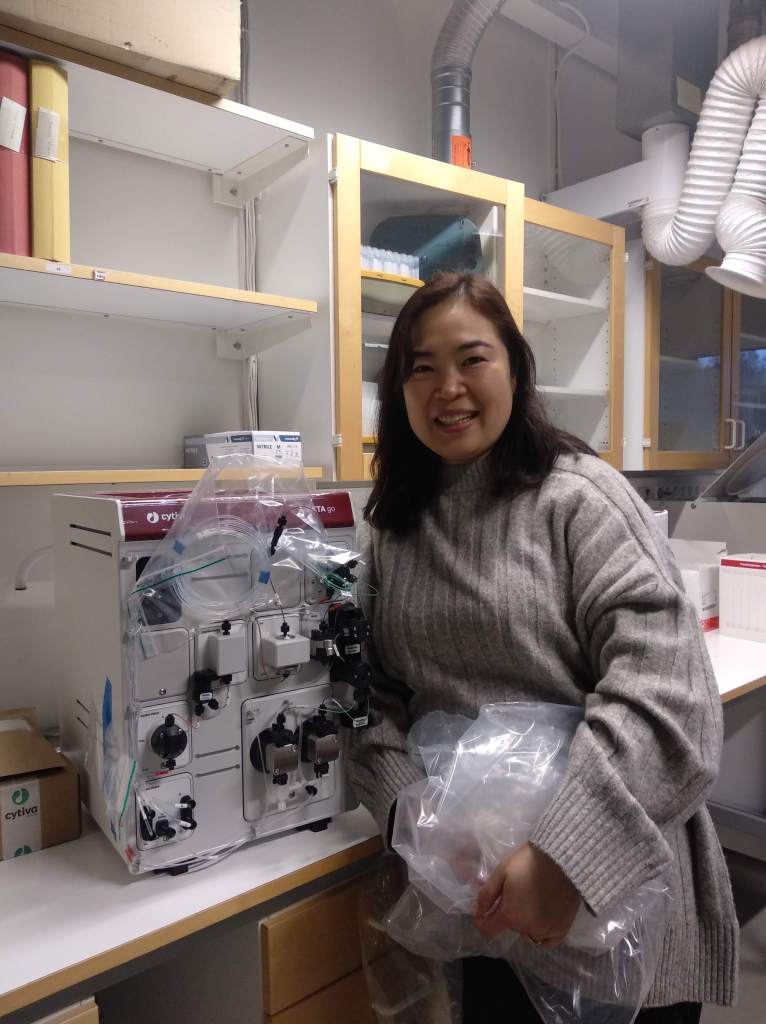
Furthermore, during my time at the CAZyme lab we’ve extended several opportunities for Master’s thesis students to immerse themselves in scientific research undertakings, cultivating their independent thinking and experimental design skills. Additionally, we’re consistently seeking new sources of research funding, aimed at supporting more extensive and comprehensive research initiatives, thereby ensuring the continuous evolution of our research pursuits. I’ve been proud to be able to bring in new advanced equipment to the lab by attaining my own funding during this time. My commitment remains resolute in advancing our comprehension and application of enzyme thermostability.
I am deeply grateful and delighted to have had the opportunity to work with all the members of the CAZyme team. Special thanks to Lauren, Mengshu, Ioanna, Alma, and Pakinee, as well as our students Lova, Vicky, Rasmus, Ida, and many others for your companionship and support. In my upcoming role, I will stay within the KTH Division of Glycoscience, where I will take an active role in setting up a new laboratory for Food Chemistry and Foodomics, contributing to the recently established KTH FOOD organization, and providing essential support for research in the field of “Biotechnology of carbohydrates from biomass”. Moreover, I am enthusiastic about the opportunity to have a more significant influence on the growth and development of doctoral students.
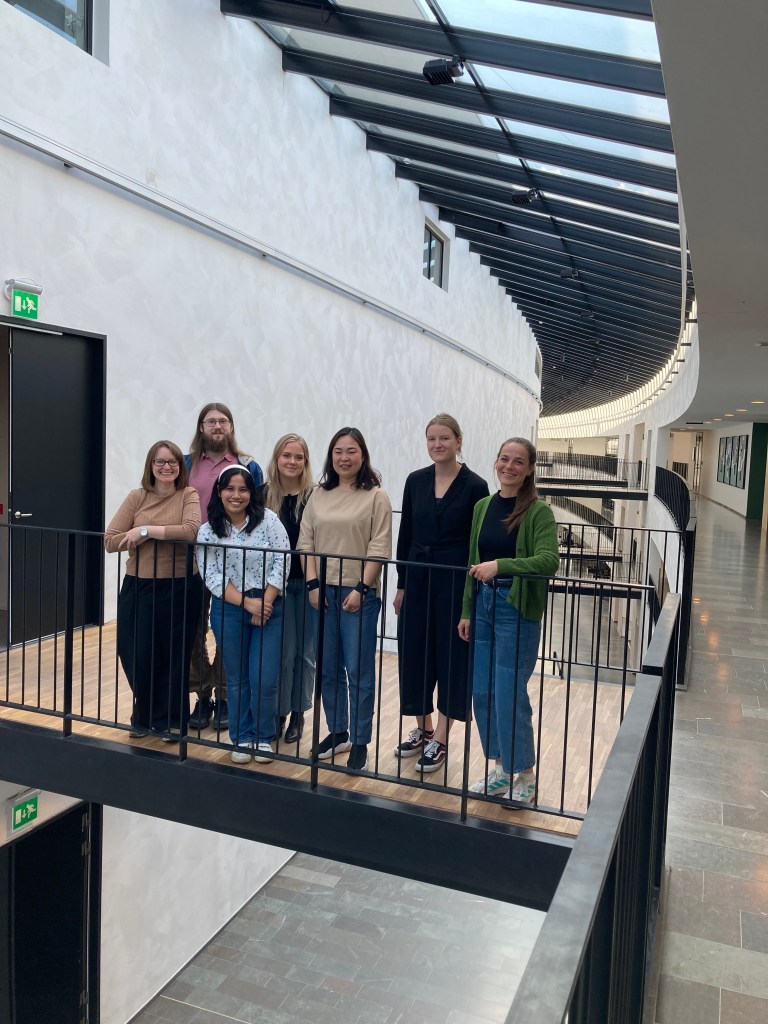

 Stockholm CAZyme Lab
This is an excellent piece of research in my career!
LikeLiked by 1 person
Pingback: Year in review – 2023 | Stockholm CAZyme Lab